As the new school year gets underway, now seems like a good time to talk about the importance of clean air in the classroom. How does it affect a child’s performance? Their attendance records? And their overall school experience?
Children are particularly vulnerable when it comes to airborne pollutants. They breathe faster than we do. More breaths mean more pollutants can enter the body. Their lungs and brains are not yet fully developed, so are not equipped to deal with pollutants in the same way adults can. As children go through key growth stages, exposure to pollutants can do irreversible damage.
Let’s start by looking at the sources of indoor pollution in the classroom.
Building materials and furniture are often responsible for off-gassing, releasing chemicals such as formaldehyde and VOC’s into the classroom.
Industrial strength cleaning products, often used in schools and public buildings, release a wide range of chemicals and pollutants.
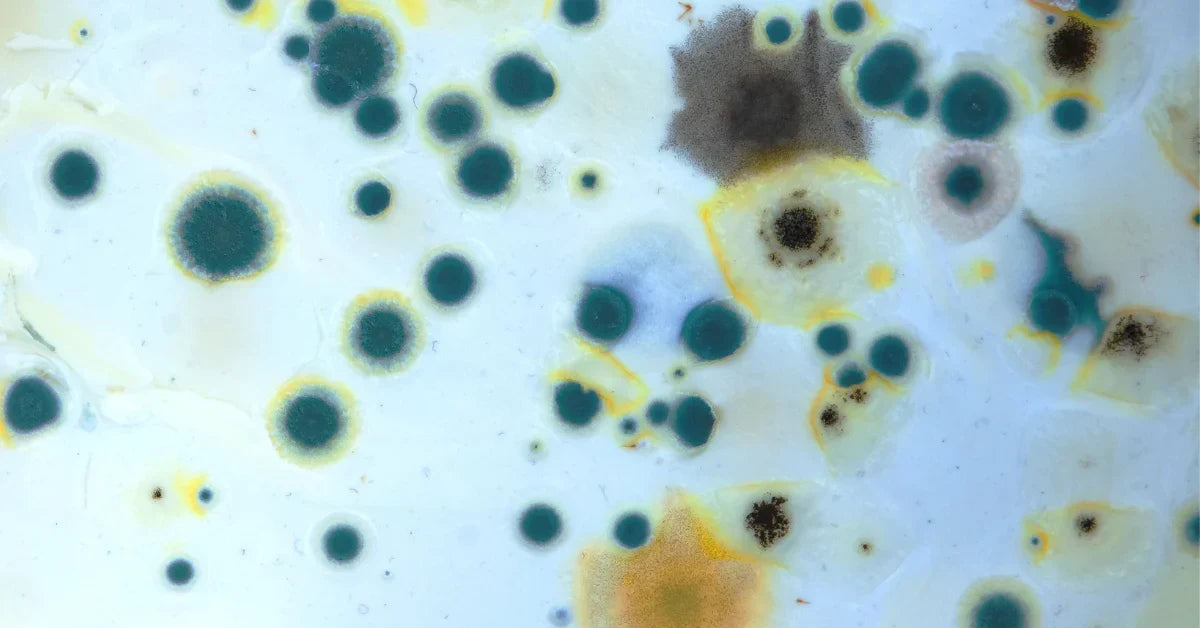
Older buildings with cracked walls and leaks will undoubtably experience mold problems.
Poorly maintained HVAC systems can also cause mold to develop, as well as allowing dust and debris to enter the classroom.
The class pet, as cute as he is, will be creating dust and allergens in the classroom.
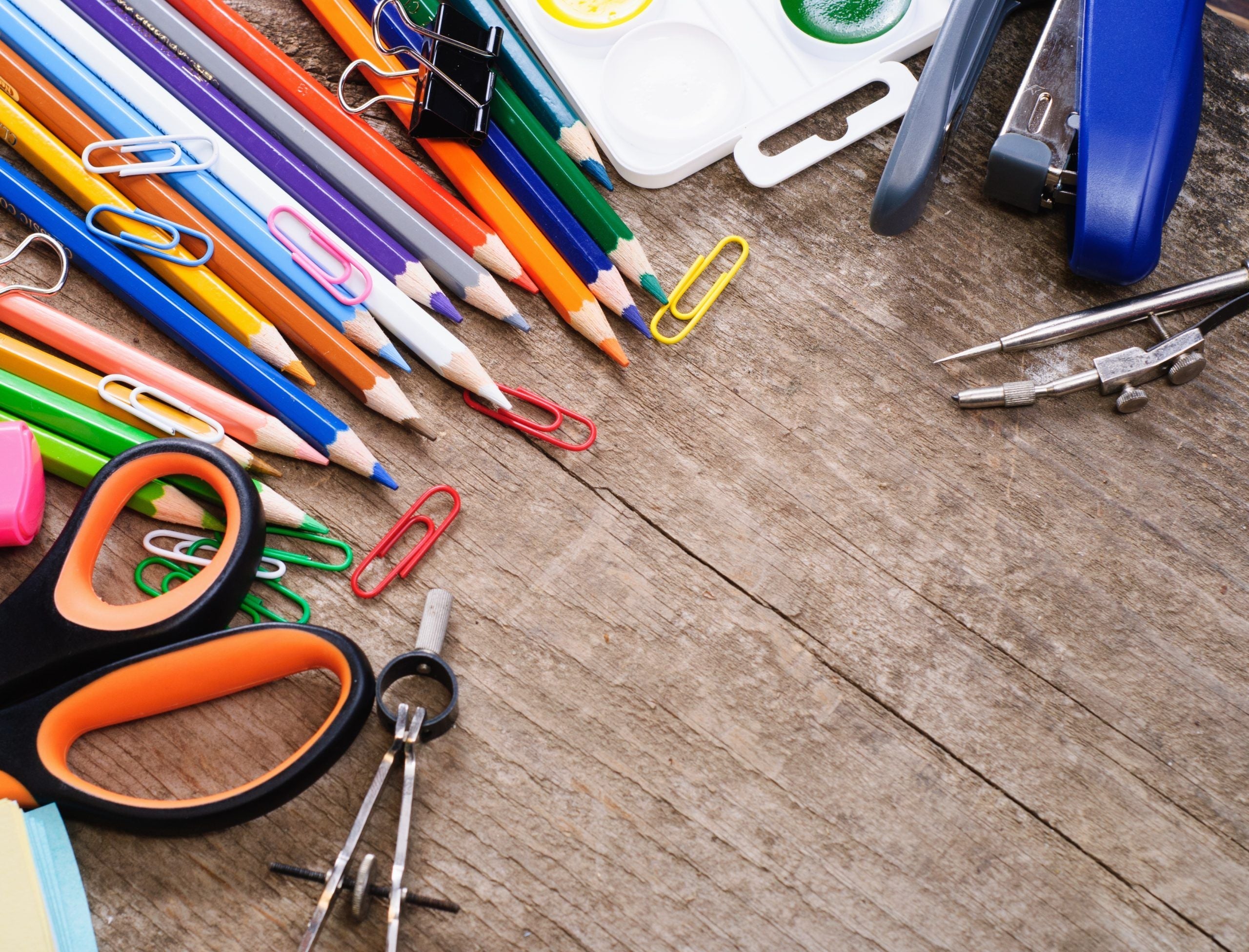
Classroom supplies can also contain harmful chemicals. One report found asbestos, phthalates and benzene in school crayons, markers and glue.
Schools that are close to busy roads will also experience high levels of pollutants, as emissions from vehicles find their way into the classroom.
Many of these pollutants will be present in classrooms right across the country. Places where our children spend many hours every day.
So, what are the implications for our children’s health? And how are these pollutants affecting their education?
Mold, allergens, dust, VOC’s and chemicals can all cause asthma and allergy symptoms to worsen. Asthma is the number one reason children in the US miss school. A number of studies show that when indoor air quality improves, children are less likely to miss school and their performance goes up. Clean, well ventilated classrooms reduce the chance of transmitting infections, which also has positive outcomes for rates of absenteeism and performance levels.
Children spend an average of 7 hours a day in school. After sleep, they spend more time in a classroom than they do anywhere else. It is vital their classroom is a clean, safe space. A place where they can perform to their very best and their health is not at risk.
Are you concerned about the quality of air in your children’s classroom but not sure what to do? We talked to one mom from Boston, Julia Burrell, to find out how she started her campaign to clean up the air at her children’s school. Here’s what she had to say ….
Before you approach your school, do your homework. Know your facts concerning indoor air pollutants, where they come from and how they affect our health. This and other articles on our website are a good starting point. The EPA website is also a great source of information.
Armed with the info, talk to teachers and other parents at your school, explain your concerns. Once you have one or more of the teachers on board, you can approach the parent council at your school.
With the help of teachers and the parent council, fundraising will be your next step. Talk to families, local organizations and big businesses that want to invest in the local community. There may even be grants available to you. If you plan to distribute any printed material, download our flyer here.
Use social media to spread the word. Create a Facebook page, post content about the dangers of air pollution and share this with your school.
Julia is a regular mom. She had no real fund raising experience, she just knew something needed to be done to remove pollutants from the classroom and improve the health of the children. Armed with the facts and a little determination, Julia successfully raised the funds she needed to install a number of Austin Air Purifiers at her school. If she can do it, you can too!
If you’d like to follow Julia’s story you can find her on Instagram, Facebook and her website here.
And if you’d like more info on bulk orders for your school, call us now on 1-800-724-8403.


Share:
Smoke from wildfires used to study effects of nuclear war
Poor indoor air quality? Your HVAC system could be to blame