
Earlier this year the United States Environmental Protection Agency (EPA) announced a significant update to the National Ambient Air Quality Standards (NAAQS) for fine particulate matter (PM2.5). This revision marks a pivotal moment in the ongoing efforts to protect public health from the dangers of air pollution, particularly as we face the increasing challenges posed by climate change and wildfires.
But what exactly does this mean for you and your loved ones? Let’s break it down.
Understanding the Significance of PM2.5
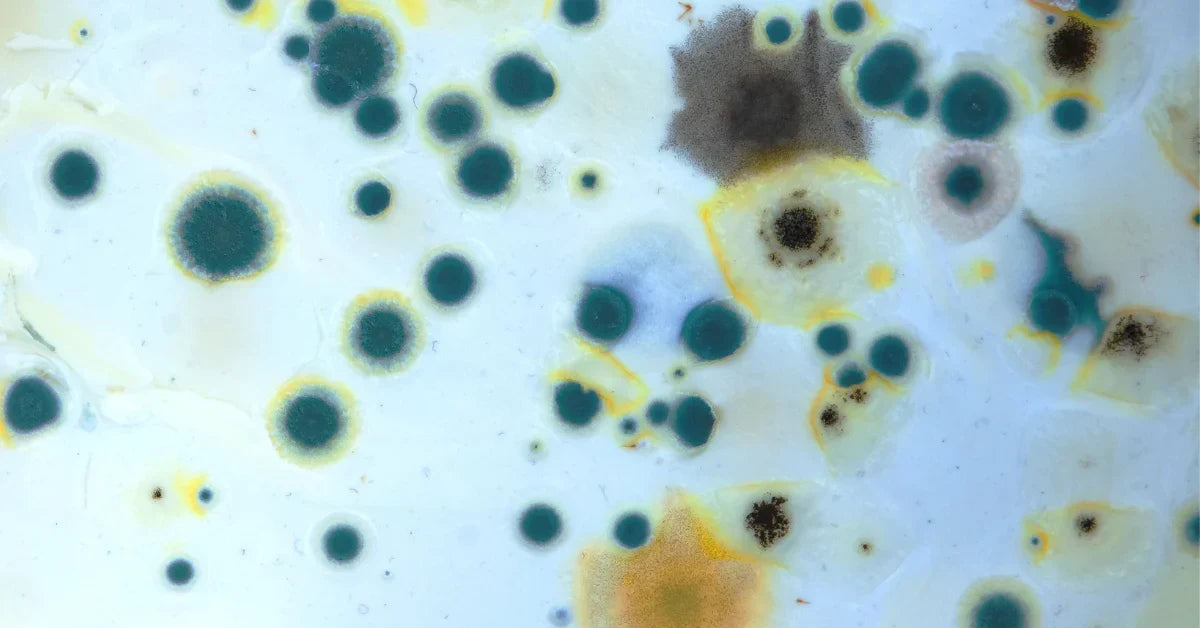
Particulate matter, or PM, is a mixture of tiny solid particles and liquid droplets that float in the air. These particles, often too small to see with the naked eye, can be inhaled and cause serious health problems. PM2.5 refers to fine inhalable particles with diameters that are generally 2.5 micrometers and smaller. To put this in perspective, a single human hair is about 30 times larger than a PM2.5 particle.
PM2.5 is particularly dangerous because these particles can penetrate deep into the lungs and even enter the bloodstream. Over time, exposure to high levels of PM2.5 has been linked to various health issues, including heart disease, respiratory conditions like asthma, and even premature death. The EPA’s revision of the PM2.5 standards is a crucial step in reducing these health risks.

What Has Changed?
As of February 2024, the EPA has strengthened the primary (health-based) annual PM2.5 standard, lowering the acceptable level to 9.0 micrograms per cubic meter. This change reflects the latest scientific understanding of the health risks associated with PM2.5 and is intended to provide better protection for millions of Americans. However, the EPA has not altered the current 24-hour PM2.5 standards or the PM10 standards.
In addition to revising the PM2.5 standard, the EPA is also updating the Air Quality Index (AQI) to improve how it communicates the risks associated with PM2.5 exposure. This is especially important as many regions across the country experience increasingly severe air quality issues due to factors such as wildfire smoke and industrial pollution.
Why Is This Important Now?
The revision of these standards comes at a time when wildfires are becoming more frequent and intense, contributing to higher levels of particulate matter in the air. During fire season, PM2.5 levels can skyrocket, creating hazardous conditions even hundreds of miles away from the fire’s origin. This has made it more crucial than ever to monitor air quality and take action to protect your health.
The updated standards not only acknowledge the growing threat posed by wildfires but also highlight the broader issue of air quality in our daily lives. Poor air quality is not just an inconvenience – it’s a serious health hazard that can affect anyone, especially vulnerable populations like children, the elderly, and those with pre-existing health conditions.
How to Protect Yourself During Poor Air Quality Days
With the new PM2.5 standards in place, it’s essential to stay informed and take steps to protect yourself, especially on days when the air quality is poor. Here are some tips to keep in mind:
Check the AQI: Regularly monitor your local air quality using apps, websites, or local news reports. The AQI will give you a clear indication of how safe the air is to breathe.
Stay Indoors: When the air quality is categorized as “unhealthy” or “hazardous,” limit outdoor activities, especially strenuous exercise. It’s also advisable to keep windows and doors closed to prevent outdoor air from coming inside.
Limit Physical Activities: When air quality is bad, it’s best to avoid physical activities outdoors. But when the air quality is at its worst ( “Hazardous” 301 and higher), sensitive populations should avoid physical activities indoors.
Reduce Indoor Air Pollution: Be mindful of indoor sources of PM, such as cooking, candles, and fireplaces. Proper ventilation and the use of air purifiers can help minimize the impact of these activities on your indoor air quality.
Use Austin Air Purifiers: An Austin Air purifier can be a crucial tool in maintaining good indoor air quality. Our purifiers are designed to filter out fine particles like PM2.5, ensuring that the air in your home remains safe to breathe, regardless of the conditions outside.

The Path Forward
The EPA’s revision of the PM2.5 standards is a clear indication of the growing awareness of the importance of air quality. As we continue to face the challenges posed by industrial pollution and wildfire seasons, it is more important than ever to stay informed and take proactive steps to protect your health.
Austin Air is committed to helping you maintain a safe and healthy environment in your home, no matter what the PM2.5 levels are outside. Austin Air purifiers use an industry-leading 60 sq. ft. of medical-grade Certified HEPA Material in our standard air purifiers to filter PM2.5 – and other pollutants – better than any other air cleaner.
By understanding these new standards and making use of tools like air purifiers, we can all take steps to safeguard our health and well-being in the face of increasingly unpredictable air quality conditions.
If you have any questions or need advice on the best air purifier for your needs, don’t hesitate to contact us. Stay safe, stay informed, and breathe easy with Austin Air.
Lt updated March 16, 2026


Share:
Celebrating National Book Lovers Day with Austin Air
Back to School: Setting a Healthy Routine for Success