Energy Efficient Homes Increase Asthma Risk
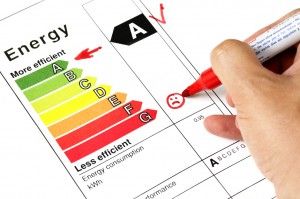
As winter carries on, most of us in colder climates try to avoid the bad weather at all costs, which means spending most of our time indoors. And to ensure we stay as warm as possible, we work to keep our homes well insulated and free from drafts and leaky windows. In recent years, as it’s become a very popular form of home improvement to keep heating bills down but as it turns out, this may not be so good for our respiratory health.
Even in warmer weather, most of us spend around 90% of our time indoors where air quality can often be more damaging to our health than it is outside. If our houses are energy efficient, sealed up to keep all that warm air inside or cold air outside, the air quality indoors can be much worse.
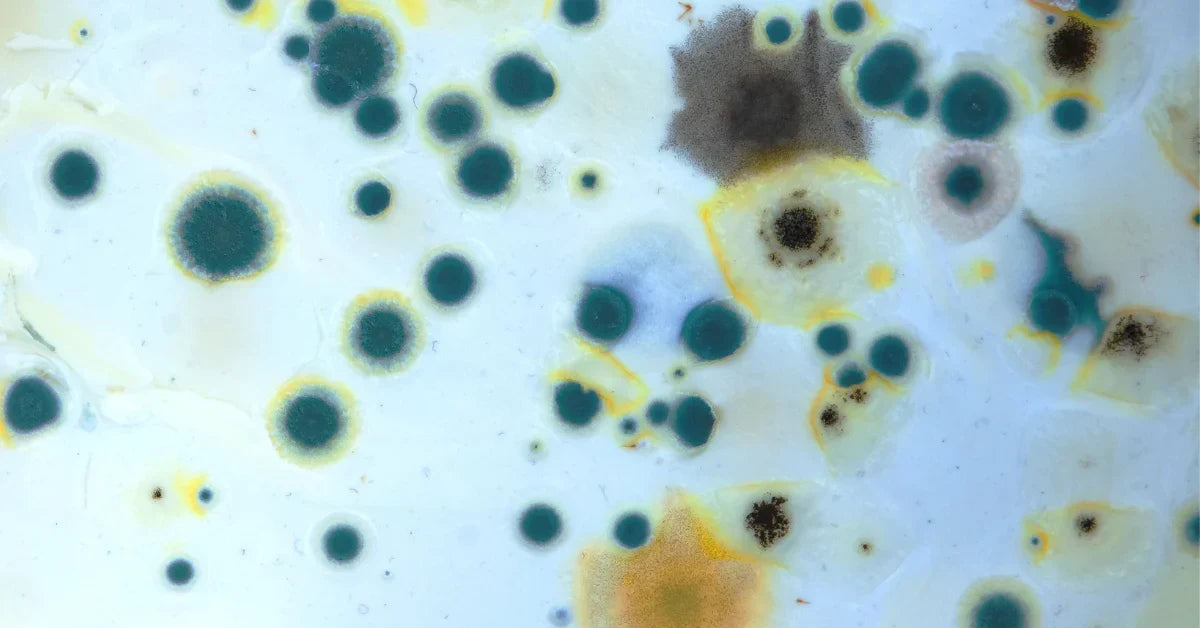
According to researchers from the University of Exeter Medical School, energy efficient housing allows for people to turn down their indoor air temperature, which can result in a lower quality of indoor air, leading to a far greater asthma risk for residents. It was found that when mold is also present in the home, the asthma risk can double. Furthermore, indoor humidity can lead to an increase in dust mites and bacteria, also known to increase the asthma risk. As we’ve reported in the past and a lack of ventilation can also be hazardous if Radon is a concern.
So what should we do? How do we ensure we stay warm and healthy through the winter months, without running up huge heating bills? The answer is ventilation. Yes our homes should be draft free and well insulated but in order to prevent mold and damp and ensure good air quality, our homes must also be adequately ventilated. A well ventilated home allows air to flow, creating an environment where mold and bacteria cannot develop. The strategies for ventilating a home are relatively basic, although if you’re looking for individualized advice regarding the ventilation in your home, find an indoor air quality expert near you who can come to your home to do an assessment of your ventilation and indoor air. People in warmer climates may also want to ensure their homes are well ventilated because it can also be a cost effective and energy efficient way to cool a home.
Are you worried about the quality of air in your home? We focus on keeping our homes well sealed and energy efficient but we don’t always think about the quality of the air indoors. If you think your home could benefit from cleaner air, talk to an HVAC or Indoor Air Quality specialist about the ventilation in your home. You may also want to check out our products page to discover how our machines work to keep your indoor air clean, safe and free from indoor pollutants.
Increasing the energy efficiency of one’s home has become a pressing issue beyond the economic benefits as many people are concerned about global warming and decreasing their carbon footprint.


Share:
Indoor Air Quality Explained
What is Activated Carbon?