
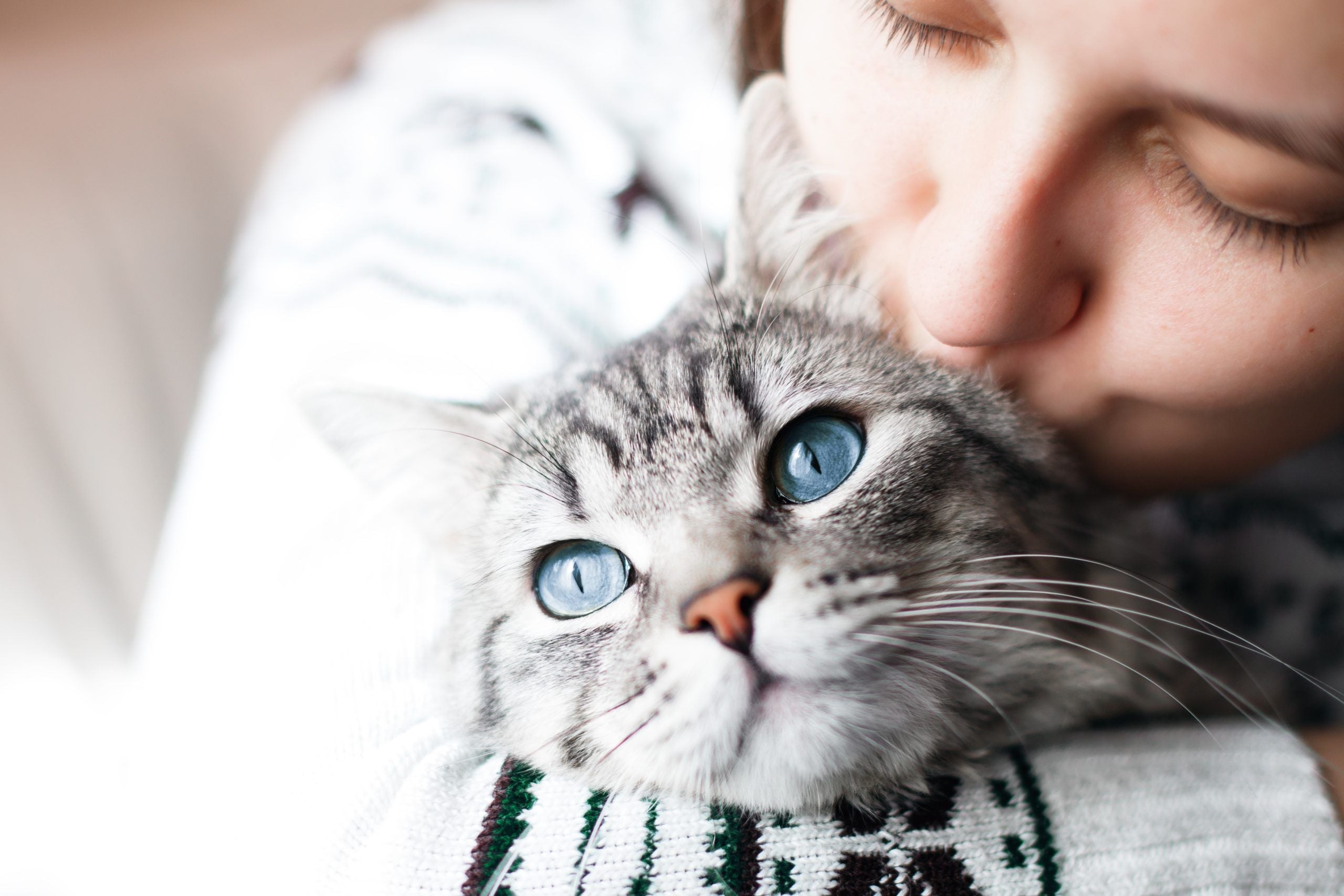
Just like humans, our feline friends can suffer from asthma too. And just like us, feline asthma occurs when cats are exposed to allergens in the environment, causing swelling, irritation and constriction of the airways.
Cats generally develop asthma at around 4 to 5 years old, with females being slightly more vulnerable than males. And there is some evidence to suggest Siamese cats are more prone to asthma than other breeds.
So what are the signs you should you look out for with your pet? Your cat may have difficulty breathing, they may show signs of wheezing, rapid breathing, coughing or hacking, open-mouthed breathing, or even vomiting. When a cat is having respiratory problems, they will hunch their body close to the ground and extend their neck. You may think your pet is just trying to expel a hair ball, which is very common and quite harmless. But if symptoms persist, it would be wise to check with your veterinarian.
There is no one single test your vet can carry out. They may gather information from x-rays, scans or a bronchoscopy. This allows them to see inside your cat’s lungs and look for signs of inflammation. Your vet will also need to rule out other conditions that can present the same symptoms, such as chronic bronchitis or lung worm.
If your cat is diagnosed with asthma there are various treatment options available. Anti-inflammatory corticosteroids, similar to those used to treat human asthma, can be very effective. Bronchodilator medication can also help to reduce symptoms, by widening the airways, making breathing easier. And antihistamines can also be used, to help reduce inflammation and reduce allergy symptoms.
There are also a few things you can do to help your cat. Stress is a known asthma trigger, so try to keep your pet relaxed and calm. As with humans, your cat’s environment is key to managing symptoms. Avoid smoking around your pet and limit the use of perfumes and scented products, as they can worsen your cat’s condition. For the same reason, try to keep dust to a minimum.
To remove all airborne allergens and asthma triggers, you may want to consider investing in an air purifier. Our Austin Air Pet Machine® is designed specifically with pet owners in mind. The Austin Air Pet Machine® is the number one choice for keeping pet dander and odors to a minimum. It is also effective at removing allergens that could trigger an asthma attack. For more info on the Austin Air Pet Machine®, follow this link.
While there is no cure for your cat’s asthma, with a little care and attention, you can keep symptoms to a minimum. Ensuring your cat lives a long, happy and healthy life.


Share:
Is Florida heading for another toxic summer?
What happens when the smoke clears? The effects of wildfire smoke could be irreversible