
Welcome to part four of our “Detoxing After Chemical Exposure” blog series. In the first three parts of the series, we talked about stopping further exposure, opening up detox pathways, and the best products to help you do both. This week we will talk about diet. Believe it or not, what and when you eat can impact how well you detox.
(Once again, this series is for educational purposes only. Please consult your doctor if you feel you’ve been exposed to harmful toxins or before using new products or starting any new diet or wellness program.)
The Detox Funnel
Think of this detoxification process as a large funnel. At the widest point at the top of the funnel, toxins are pulled from all the cells throughout the body. They are then sent to the liver for processing. Sometimes the liver transforms harmful substances into harmless substances and sends them back into the body. But toxins that cannot be transformed are sent to an elimination pathway at the end of the funnel. They are sent either to the bile-duct-to-bowel pathway (and eliminated in stool) or the kidney-to-bladder pathway (and eliminated in urine).
For this process to work efficiently, it is essential to have healthy cells at the top of the funnel and healthy liver and kidneys in the middle of the funnel. But even with that, you still might not detox appropriately if the bottom part of the funnel is not working right – if you do not urinate enough because of dehydration or do not make regular bowel movements because of constipation.
Bathroom habits are often overlooked when it comes to detox, but the truth is constipation can cause toxins in the stool to become more concentrated where they are reabsorbed in the colon. It can also cause an imbalance in gut microbes. Both have a significant impact on the immune system.
Fiber and Constipation
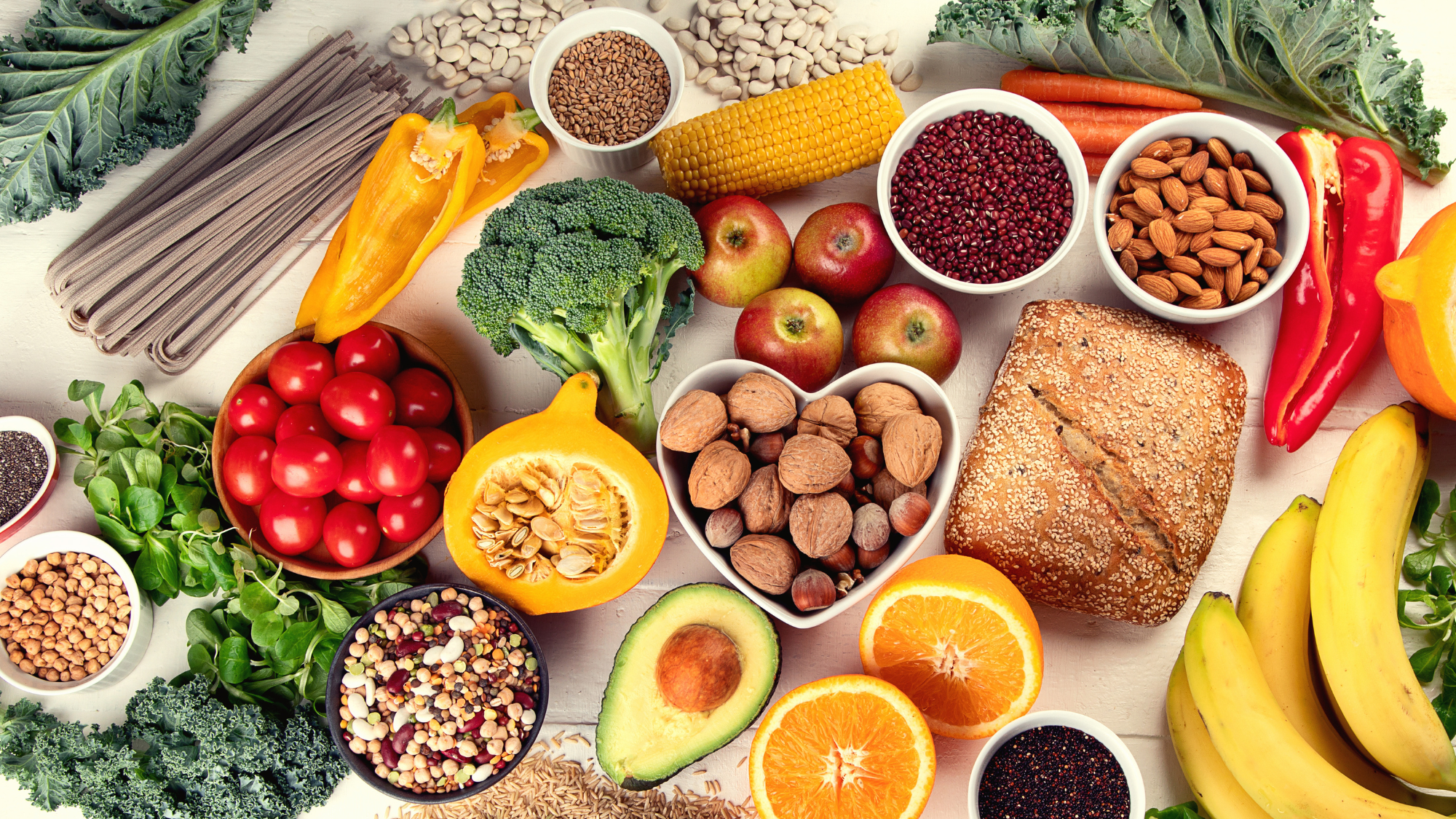
The most obvious place to start when addressing constipation is fiber consumption. It has been estimated that adult women need at least 25 grams of fiber daily, and men 38 grams (slightly lower for those over 50). But unfortunately, most processed food is devoid of fiber.
It is also important to note that there are two kinds of fiber—soluble and insoluble—and both are important for regularity, detox, and overall health. Soluble fiber functions as prebiotics (food) for the gut microbiome (the healthy gut flora), and they help water stay in the stool, making it softer and more comfortable to pass.
Insoluble fiber adds bulk to the stool, making the colon feel full so that it begins elimination. Many foods have both soluble and insoluble fiber in them.
Here are some examples:
Soluble Fiber (Prebiotics)
- Oats
- Brussels sprouts, cabbage, broccoli, and other cruciferous veggies
- Flaxseeds
- Peas
- Black, kidney, white, lima, and navy beans
- Apples
- Tofu and tempeh (fermented soy products)
- Citrus fruit
- Carrots
- Corn
- Barley
- Psyllium
- Macadamia nuts
Insoluble Fiber
- Whole grains, especially barley, quinoa, sorghum, millet, amaranth, oatmeal, and rye
- Wheat bran and wheat germ
- Rice
- Nuts
- Seeds
- Berries
- Beans, lentils, and legumes
- Peas
- Coconut
- Potatoes
Intermittent Fasting
Eating a proper diet can be beneficial for detox, but not eating at certain times can also be beneficial. It’s called Intermittent Fasting (IF). As we know, fasting is simply going for a prolonged period of time without eating. Fasting “intermittently” means following a schedule where you rotate between eating and fasting throughout the day.
For example, one might follow a 12/12, 10/14, or 8/16 schedule. In other words, the 8/16 schedule means a person will only eat within an 8-hour window, then fast (eat or drink nothing except water) for the remaining 16 hours of the day.
For example, a person might have breakfast at 10 AM, lunch at 1 PM, and then dinner at 5 or 6 PM. Then you fast for 16 hours and do not eat anything until the next morning at 10:00 A.M. when you start all over again.
Why is intermittent fasting sometimes beneficial for detoxification?
Because after a prolonged period without food, the body starts a natural detoxification process known as autophagy. It begins to break down and remove any unwanted or damaged molecules from cells. It’s a sort of deep clean for the body.
Not only that, this process triggers stem cell regeneration. Stem cells are like chameleon cells. Given the right conditions, they not only regenerate, but they can also turn into different types of cells – for example, muscle cells, red blood cells, brain cells, and immune cells. They can even take on specialized body functions.
Extended fasting essentially “flips a switch” for stem cells, where they go from an inactive state to the state of self-renewal, especially cells in the hematopoietic system (which includes your blood-making organs, bone marrow, and lymph nodes).
Research suggests that stem cells can flip this switch after 24 hours of fasting. (1) Other research shows that 72 hours of fasting (followed by a healthy, nutritionally sound diet) can regenerate the entire immune system! (2) This research showed that prolonged fasting could even lower IGF-1 levels, a growth-factor hormone linked to aging, tumor progression, and cancer risk.
The longer the fast, the more benefits it can potentially have (up to a few days for most people). However, it is crucial to be “smart” about fasting. If you are accustomed to eating often, do not just start a prolonged fast right out of the gate. Talk to your doctor first and ease into it.
Perhaps it would be easier to start with a 12/12 schedule and work your way up to an 8/16 schedule. Then maybe you will be ready to try a full 24-hour fast.
Again, it is important that you do NOT jump into an extreme fast without first consulting your doctor, especially if you have known health issues. While fasting can be beneficial for many, it is certainly NOT for everyone, especially people with health issues such as adrenal fatigue, hypoglycemia, and chronic stress to name a few.
References:
(1) https://www.cell.com/cell…/fulltext/S1934-5909(18)30163-2
(2) https://www.cell.com/cell…/fulltext/S1934-5909(14)00151-9


Share:
Helping Parents and Teachers Advocate for Clean Air in Classrooms - Before Federal Funds Expire
Elisha Jarrett, Mother of Atlanta Falcons’ Grady Jarrett, Talks About Clean Air and Respiratory Health