

You’re looking for your dream home. After months of searching, you find one you love. But there’s a catch.
You notice a black spot on the wall. Or, you notice a musty, damp odor. Or, you see water damage.
Or even worse, an inspector finds a full-blown mold problem during an inspection.
What do you do? Can you sell this home when you know it has mold in it?
What is mold?
Finding mold in a home can be discouraging. Mold is a significant source of indoor air pollution that grows wherever there’s moisture and oxygen. It can grow on wood, paper, carpet, food, and more, and even affect the structure of your home.
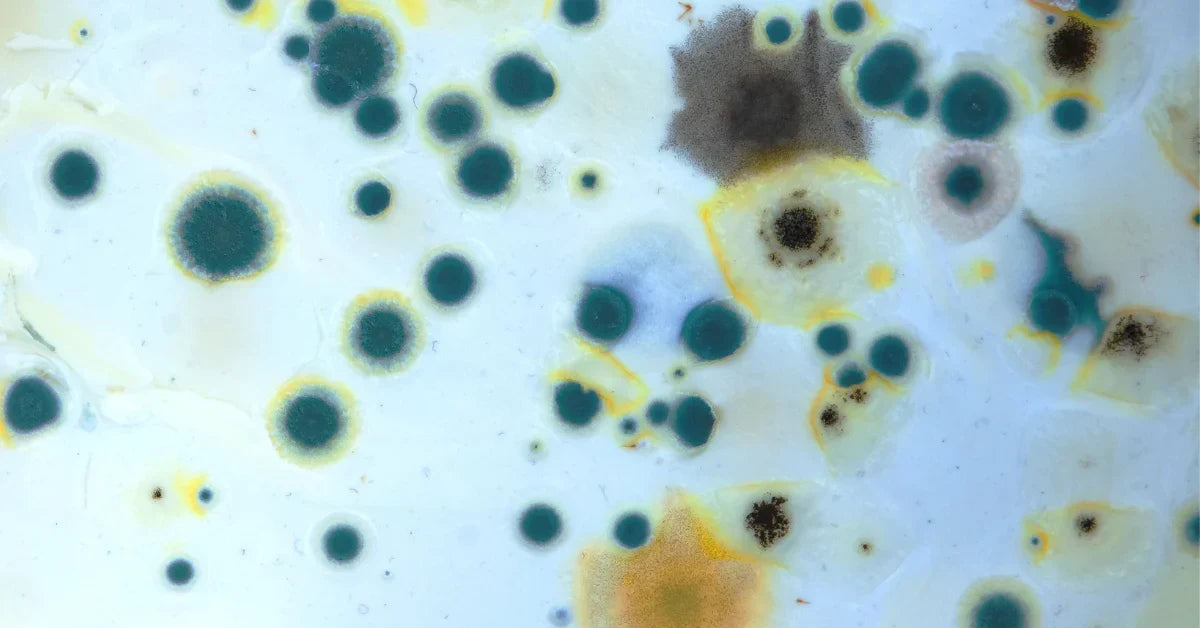
And it’s not just black mold. There are many different kinds of mold, including white mold, pink mold, and green mold, to name a few. Many of these types often go overlooked.
Why is mold so problematic?
Not only is mold aesthetically displeasing, but it can also rot away the surfaces it grows on, making the structural integrity of your home slip.
Mold produces millions of spores that, when inhaled, can cause many health effects, like skin rash, coughing, wheezing, burning eyes, sore throat, and even mental health effects. Mold can also cause infections in both healthy and immunocompromised people. It’s especially problematic for those with asthma, as it can exacerbate the condition and increase the risk of asthma attacks.
In some cases, mold can be life-threatening. Mold produces mycotoxins, which although naturally occurring, have been associated with liver cancer and kidney failure, and can damage the brain and central nervous system. And with 45 million buildings and 70% of homes in the U.S. having problematic mold levels, it can be hard to avoid.
“Certainly it’s been very prevalent in our history in real estate,” said Mark Kibbe, a realtor at Keller Williams Realty. “At the end of the day, it’s really ‘buyer beware.’”
What should you look out for when buying or selling a home?
If a specific area of the home experiences constant moisture, it can be expected that mold will grow. It is especially common in leaky areas, like around roofs, pipes, or windows.
Mark said a home’s attic is one of the most significant areas to watch out for. Oftentimes, the bathroom fan will vent into the attic, releasing humid air. When the air doesn’t vent out the roof, the moisture accumulates, causing mold.
“Moisture equals mold usually,” said Rachael Kibbe, Mark’s wife, business partner, and a realtor at Keller Williams Realty. “It involves a lot of areas of the home.”
How do you know mold is a problem?
This is why it’s essential to do air quality testing.
“You can see what you can see at that first initial look at the house,” Mark said. “But you need to think, ‘What do I have to do to go further?’ You as a buyer really need to come in with your eyes open and have experts help you.”
What is the solution?
Air purification is essential when you do air quality testing and find a problem.
The Austin Air HealthMate removes up to 99.97% of airborne contaminants, including mold spores. 60 square feet of medical-grade Certified HEPA Material will effectively remove mold spores from the air, while the blend of activated carbon and zeolite will take care of the mycotoxins that can occur when mold is present.
Learn more about mold testing, remediation, and health impacts at www.MoldToolkit.com
Or shop the HealthMate here: https://austinair.com/shop/healthmate/.


Share:
Austin Air is Helping Wildfire Victims Get Cleaner, Safer Indoor Air
Could Poor Air Quality Be Contributing to Your Mental Health Issues?