
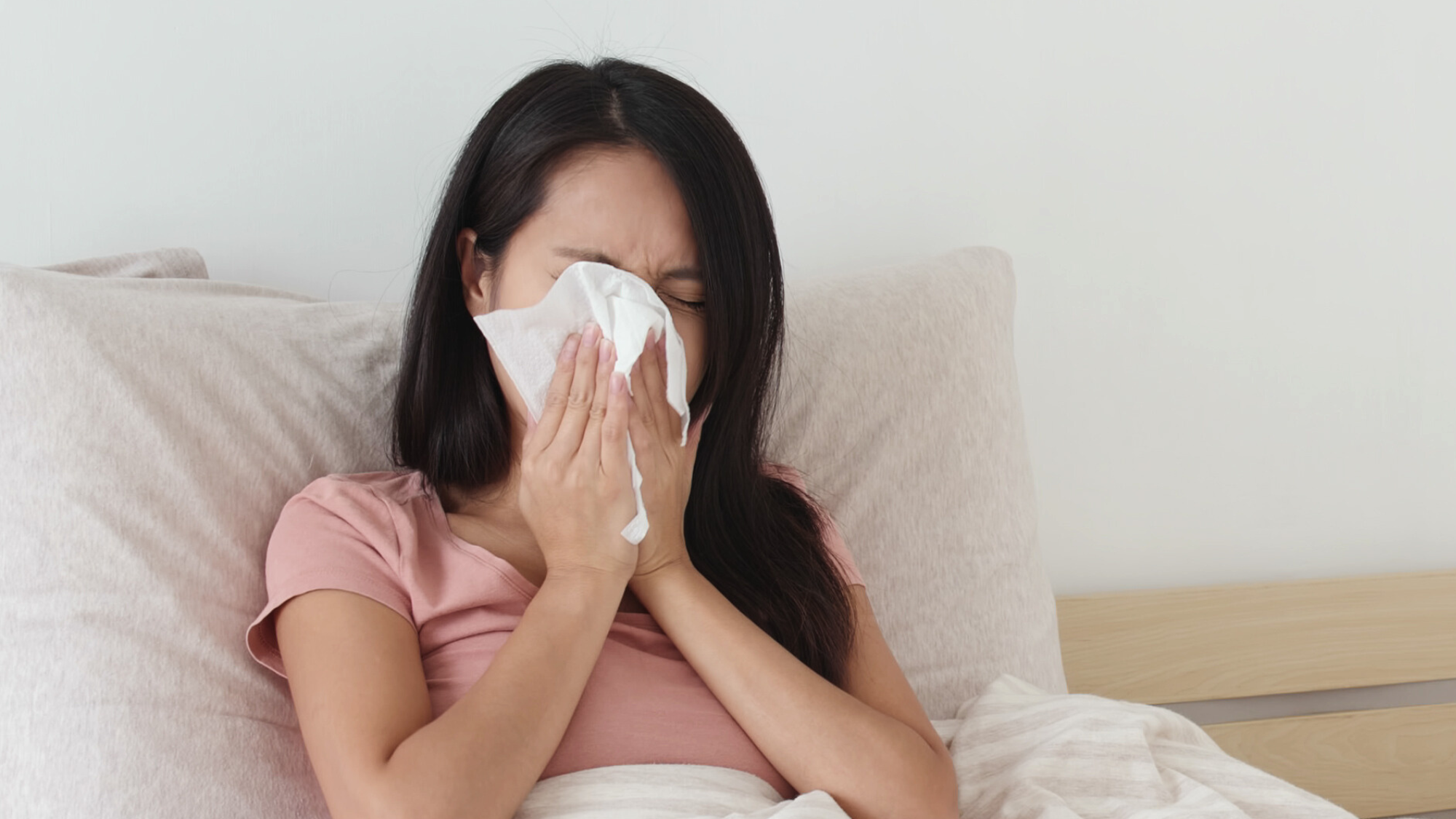
Histamine: It may be the most annoying chemical in the body. Whether it’s pesky springtime allergies, food allergies, or skin reactions, histamine causes an allergic reaction, but what exactly is it and how can you start feeling better?
What is Histamine?
Cells release histamine as a response to injuries and allergic and inflammatory reactions. It causes muscles to contract and capillaries, or fine branching blood vessels, to dilate.
Histamine is primarily used as a messenger within the body. It does things like tell our stomach to make acid or tell our brain to stay functioning.
It also works with our immune systems to defend against foreign intruders to the body. When the immune system notices these intruders, it makes antibodies, which defend against the issue and tell other cells to look out for it. Then, when cells come in contact with the invader, they release histamines and other chemicals to fight it off.
Why Does Histamine Cause Allergy Symptoms?
Histamines help the body get rid of foreign invaders by triggering a symptom to get the allergens out of the body. Whether it’s sneezing, itching, or tearing up, these are ways your body attempts to rid itself of an allergen.
In and of itself, this is a good thing. It’s your body’s way of protecting you. But, sometimes the body can overreact, creating too much histamine and causing intense allergy symptoms.
What Are Antihistamines?
There are some medications that block histamine, known as antihistamines. They can make us tired or help other bodily ailments like acid reflux. But, they are primarily used to treat allergy symptoms and symptoms caused by too much histamine.
Can You Take Antihistamines for Too Long?
Antihistamines can cause side effects like:
- Drowsiness or fatigue
- Dry mouth and eyes
- Blurred or double vision
- Dizziness and headaches
- Low blood pressure
- Cough
- Sore throat
- Abdominal pain or discomfort
- Nausea and vomiting
- Joint or muscle pain
Not only that, but long-term use of antihistamines can increase risk of dementia. It can also increase risk of developing a brain tumor. Overall, antihistamines are not recommended for long-term usage.
The Alternative: Air Purification
One of the most effective ways to get relief from allergies is to remove allergens from the environment. Austin Air purifiers were developed specifically for people with asthma and allergies. Austin Air purifiers use a combination of medical-grade Certified HEPA Material and a carbon cloth, which are proven to effectively remove 99% of airborne pollutants as small as 0.1 microns, to clean the air and alleviate allergy symptoms. Its unique design also increases air flow and removes allergens from your environment immediately.


Share:
Could Poor Air Quality Be Contributing to Your Mental Health Issues?
Five Methods for Relief from Seasonal Allergy Symptoms