
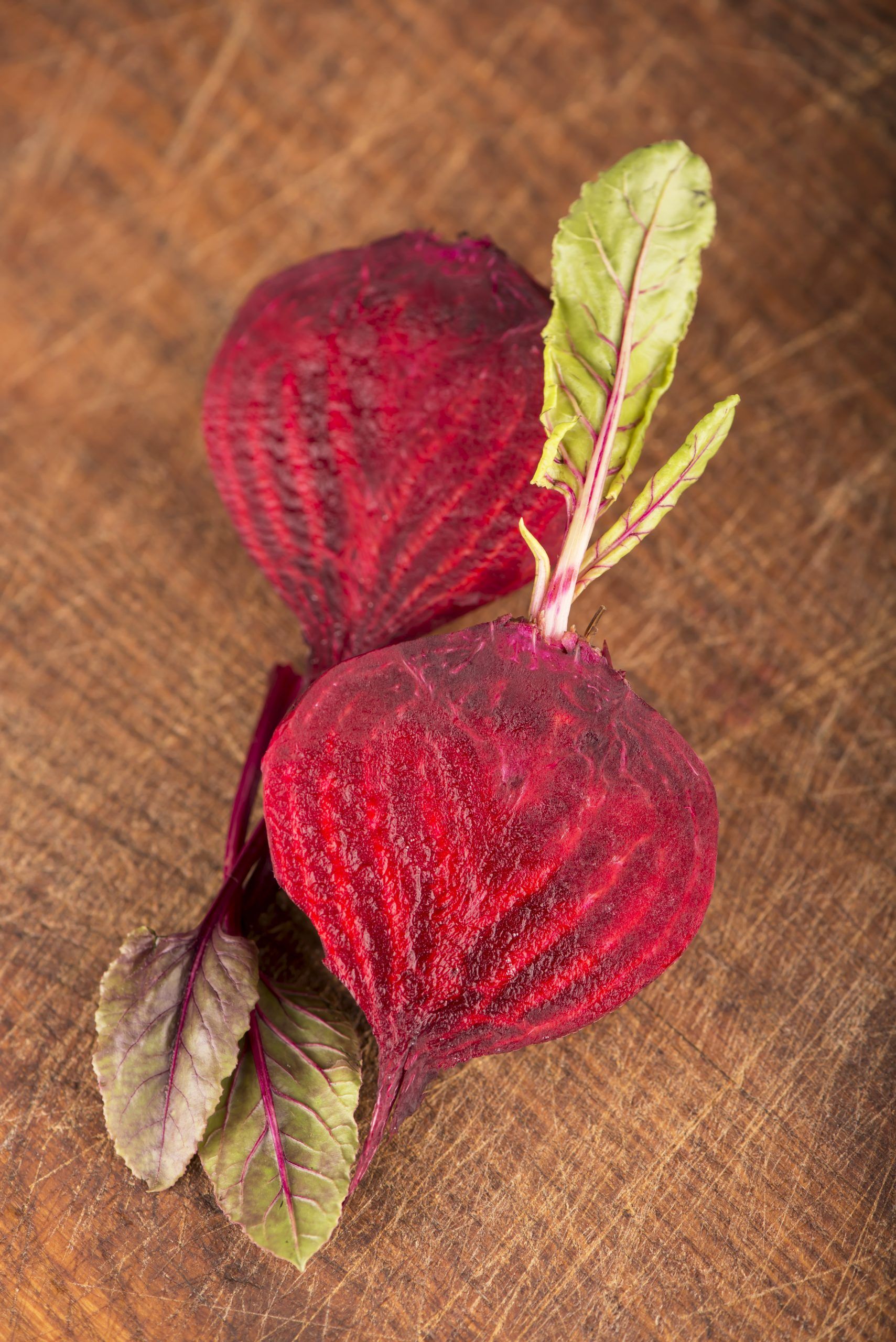
The term “superfood”, which has been popular in dietary vernacular for the past decade, is used to denote certain items which are particularly nutritious. The idea isn’t anything new – think of Popeye and his spinach – some food items are simply more nutritious than others. Beets have long been considered nutritional superstars but their status as a superfood may now be heightened because scientists from Wake Forest University have found dietary nitrate, via beetroot juice, to be particularly helpful for COPD sufferers.
COPD often occurs after years of smoking or long term exposure to chemicals and can leave a person feeling consistently breathless and gasping for air. Even everyday tasks such as getting dressed or light housework can prove to be too difficult. People with COPD often become increasingly less active as the disease progresses, leading to a downward spiral of worsening symptoms and ever decreasing mobility. It’s a vicious cycle which is difficult for many to break out of.
Exercise is the perfect way to fight the effects of the disease. Increasing fitness levels leads to better lung function, which allows a person to exercise more and further improve their respiratory health and quality of life – a virtuous cycle. But even people with normal lung function find it difficult to exercise regularly, especially when they are first starting out. The additional physical hurdles that COPD sufferers face, make getting into a routine even more of a Herculean task.
Enter beetroot juice. There has been evidence that nitrates from beetroot juice help healthy young adults to exercise. Converted into nitric oxide after digestion, it increases blood flow and it may also decrease the amount of oxygen needed for moderate exercise. With this in mind, a team from Wake Forest University looked at a group of fifteen COPD sufferers and provided them with beetroot juice before exercise. Those who were in the test group were shown to have a significantly longer median exercise time than those in the control group. Perhaps more exciting, blood pressure was also improved in the subjects who’d had beetroot juice – resting and after exercising. This simple vegetable could give people with COPD the kick start they need to help them to get fit, improve their respiratory health and reduce their COPD symptoms.
The buzzword, “superfood”, is actually disliked by dieticians because there is concern that it is used simply for marketing reasons without scientific evidence to support any claims. In the case of the beet, this study arguably provides enough evidence for COPD sufferers to take note. Beets are available all year round in most places but they are in season – and at their best – from late-spring to early fall. Even if you aren’t suffering from respiratory ailments, you could surely benefit from the nutrients they have to offer and there are a variety of different ways to enjoy beets besides their juice. Look for beets which feel firm and dense (heavier than you’d think for their size). Baby beets are more tender and quite a treat – look for them in winter. You may also want to consider eating the greens – those leaves attached to the top – because they’re also delicious and nutritious. Look for greens which appear colorful and healthy, like lettuce.


Share:
Increased Exposure to Air Pollution Linked to Higher Suicide Rates
Team Austin Pairs with the American Lung Association to “Fight for Air”