

When we think of allergy season, we tend to think of spring and early summer. That’s the time when most grasses and flowers pollinate, causing havoc for people with allergies. But fall allergies can be just as bad, particularly for people with allergies to ragweed and mold.
Ragweed is part of the daisy family. Its tiny yellow flowers produce huge amounts of pollen, up to 1 billion pollen seeds per plant. If you have seasonal allergies, there’s a strong chance you’re allergic to ragweed too. And as the effects of climate change bring warmer temperatures, ragweed season is getting longer. In many parts of the country, it can last up to 10 weeks.
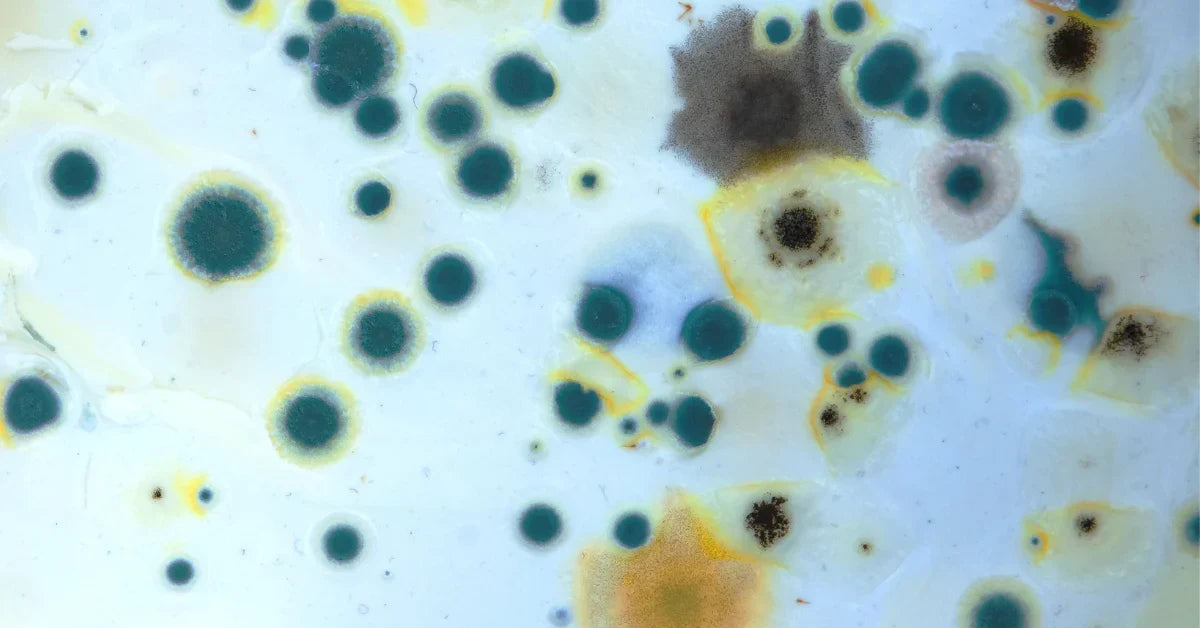
Mold is often another cause for concern at this time of year. Symptoms are similar to pollen allergy symptoms including runny nose, itchy watering eyes, coughing and sneezing. Mold can also exacerbate asthma symptoms, increasing the risk of an asthma attack.
If you’re feeling the effects of fall allergies, there are a few things you can do to help minimize your symptoms:
Ragweed pollen levels reach their peak between 10 am and 3pm, so if possible, try to avoid being outdoors during this time.
Track pollen levels in your area. The National Allergy Bureau gives you up to date info on various types of pollen near to you. Being ‘pollen aware’ allows you to plan accordingly.
Remove your shoes at the door. Pollen can be carried into your home on the soles of your shoes. Leaving your shoes at the door will help to keep pollen levels to a minimum indoors.
To avoid nighttime allergy flare-ups, don’t wear your outdoor clothes to bed. And try to take a shower and wash your hair before you go to bed. This will help to keep pollen exposure to a minimum.
Piles of rotting leaves are the perfect breeding ground for mold. Try to keep your backyard free of leaves and other fall debris and be sure to wear a facemask when doing yard work.
Mold loves to grow in warm, damp environments. Keep your home well ventilated, as a constant circulation of air prevents mold growth.
Watch out for leaks around the home. If you have a leak that is not fixed promptly, there is a strong chance mold will grow.
Try to keep condensation on windows to a minimum, as this will also help to prevent mold from growing.
If you are concerned about pollen and mold allergies this fall, we recommend Austin Air purifiers. Designed specifically for people with asthma and allergies, Austin Air cleaners remove allergens and mold spores from the air immediately.


Share:
Air pollution ages our lungs by 2 YEARS!!
Scientific air quality study moves to next phase!