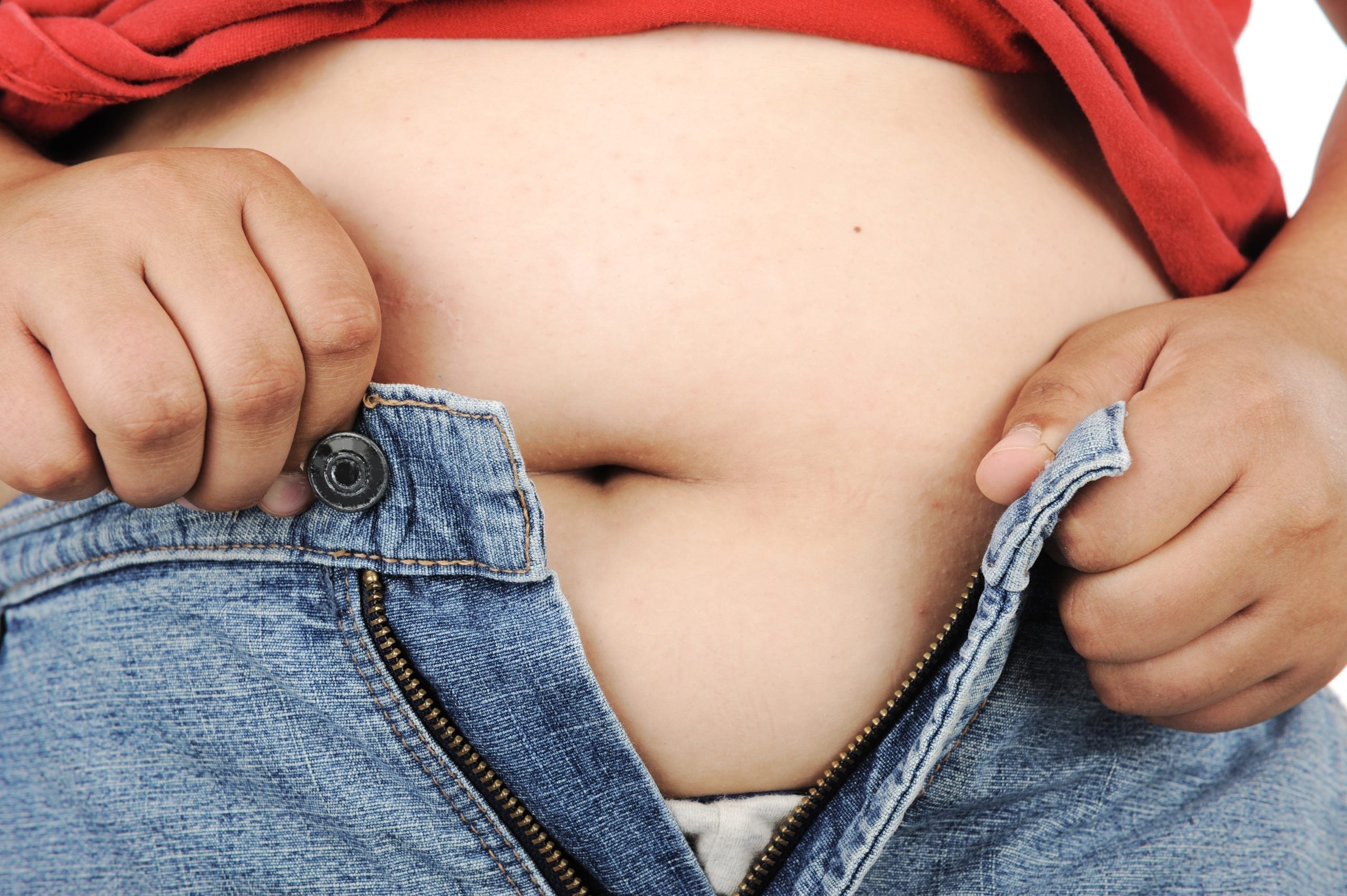
There are many causes of the obesity epidemic – inactivity, genetics, and poor dietary choices are the most obvious culprits. Environmental factors such as a lack of pedestrian friendly areas or access to fresh food also contribute to the prevalence of obesity. It now appears that chronic exposure to air pollution may also have an impact on body mass according to a preliminary study recently published in the journal of the Federation of American Societies for Experimental Biology (FASEB).

It had previously been known that air pollution can serve as a risk factor for childhood obesity and that the impact of exposure to air pollution early in life can contribute to insulin resistance or weight gain into adulthood. This study presents the first data on the connection between air pollution and weight increases which are not related to diet. The researchers exposed rats to polluted air from Beijing and found that it resulted in added weight plus metabolic and cardiorespiratory dysfunction. Pregnant rats in the experimental group were considerably heavier at the end of the gestation period than their counterparts in the control group who were exposed to filtered air.

The baby rats who were exposed to the polluted air in the womb and after birth were also heavier at eight weeks old than the babies who were breathing filtered air. Additional problems were observed in the rats and their offspring who were exposed continuously to the unfiltered air including inflammation in the lungs, oxidative stress, high cholesterol, and inflammation in the epididymal area. The results may mean that weight gain resulting from metabolic dysfunction may begin in the lungs.

It is worth noting that this has only been shown in rats but the implications are major. The obesity epidemic is not only a scourge on the waistline, it’s also a major blight on the bottom line – it is estimated that obesity cost the US economy $147 billion in 2008. The United States is not the only country facing this problem – it’s a global health issue. This new evidence indicates that air quality is an important factor to achieving/maintaining a healthy weight.

Latest Stories

View all

Your Back-to-School Respiratory Reset: Get Ahead of Cold and Flu Season

Your Back-to-School Respiratory Reset: Get Ahead of Cold and Flu Season

School season is on its way in full swing; You have a head start, so use it. Cold and flu season in North America usually builds through the fall and peaks between December and February—which makes late summer the ideal time to build resilience, not scramble for it.¹ Your defenses aren't fixed. Sleep, food, movement, and the air you breathe measurably change how easily you catch—and shake off—respiratory bugs. There are five factors you can control starting today: Detox your home's air, protect sleep, feed the immune system, move every day, and switch to safer cleaners. It's simple and family-friendly. No doctor's appointment or big budget required. Most of it you can do with your kids this week. Cleaner indoor air ties it together. It's the backdrop to everything else—and where the free Parent-Teacher Toolkit and the 8-phase Immunity Machine come in.


Read moreabout Your Back-to-School Respiratory Reset: Get Ahead of Cold and Flu Season

New CDC Mold Data (2026): What It Really Means

New CDC Mold Data (2026): What It Really Means

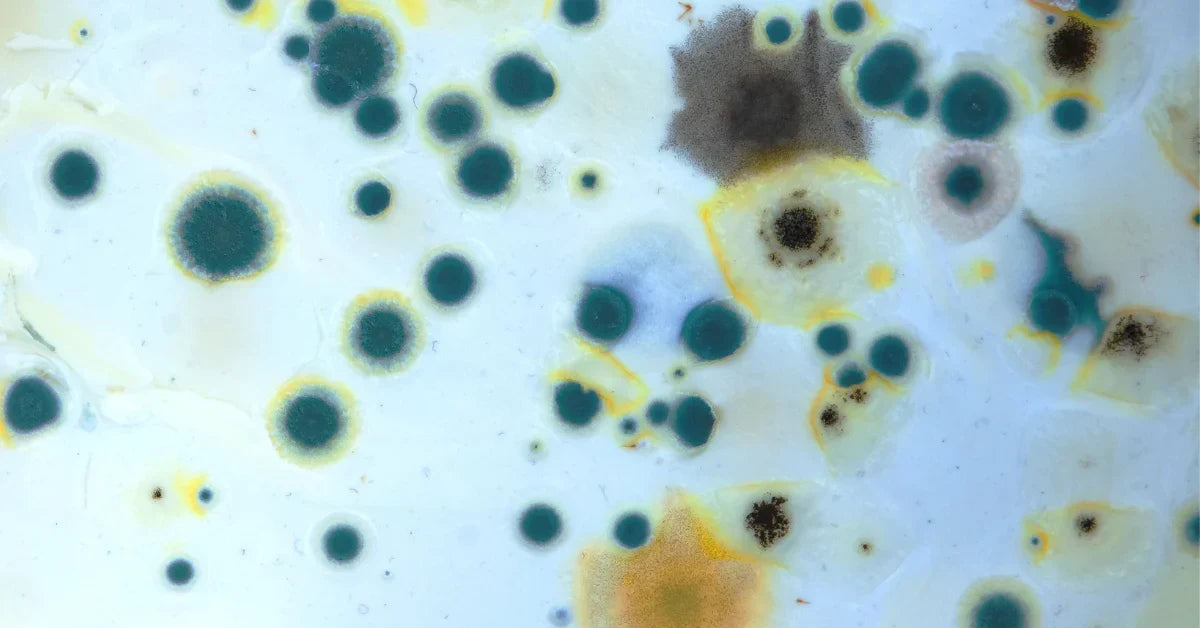
The first CDC study to measure invasive mold disease—who’s actually at risk, and what it means for the air in your home. In late July 2026, the CDC published the first systematic estimate of how often invasive mold disease occurs in American hospitals. Researchers reviewed 968 possible cases at four Atlanta-area hospitals between 2020 and 2024 and confirmed nearly 450 of them as invasive mold disease. This disease is a serious infection in which mold moves from the airways into the lungs, sinuses, skin, or bloodstream, . ¹

Read moreabout New CDC Mold Data (2026): What It Really Means

The Travesty No One Is Reporting: Schools Are Throwing Away the Air Purifiers Our Kids Still Need

The Travesty No One Is Reporting: Schools Are Throwing Away the Air Purifiers Our Kids Still Need

Five or six years ago, putting air purifiers in classrooms was front-page news. Today those same machines are being sold on eBay, stacked in storage sheds, and left at the curb for the garbage truck—while asthmatic children sit in the very rooms they were bought to protect. Here is why every parent and teacher should be paying attention.

Read moreabout The Travesty No One Is Reporting: Schools Are Throwing Away the Air Purifiers Our Kids Still Need